What's the BIG DIFFERENCE Between Leadership Influence and Narcissistic Control?
 NAMITA PUROHIT
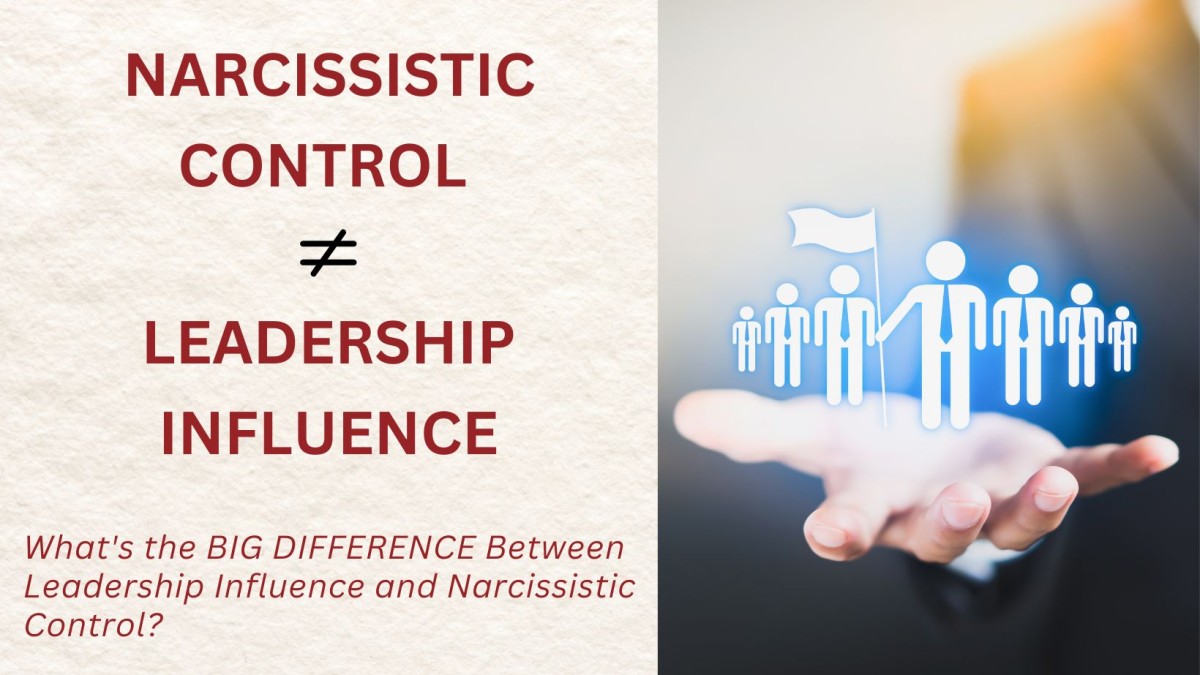
A clear look at why narcissistic control is not influence and how conscious leaders can guide with empathy, trust, and integrity.
Some leaders walk into a room and seem to command it right away. They speak the loudest, look impressive, and win quick buy-in. At first, it feels like power. But stay long enough, and you start to see the cracks. The resentment. The quiet quitting. The way people shrink around them.
What looks like influence from a distance is often manipulation up close.
Many leaders mistake the two. Some even assume that influence itself is narcissistic. It’s not. Narcissistic control and leadership influence come from two completely different places.
Today, I want to show you the difference and how you can build influence in line with your values.
(I also did a podcast on this topic and you can listen in here)
The Narcissistic Control Pattern
A narcissistic leader thrives on image, not impact. Their core motivation is admiration. They charm upward and manage perception. Investors love them. Boards praise them. But behind closed doors, their teams are walking on eggshells.
They love bomb. They blame shift. They guilt-trip. They twist vulnerability to keep people compliant. And they position themselves at the center of every success, even when it was their team that did the real work. But when something goes wrong, they take no responsibility. Loyalty doesn’t protect anyone. Even the most committed people eventually get burned.
The long-term damage is heavy. Creativity dies. Ownership disappears. People stay silent because speaking up is too risky.
Narcissistic leaders rise fast, but they can’t build a community that lasts.
History Has Seen This Before
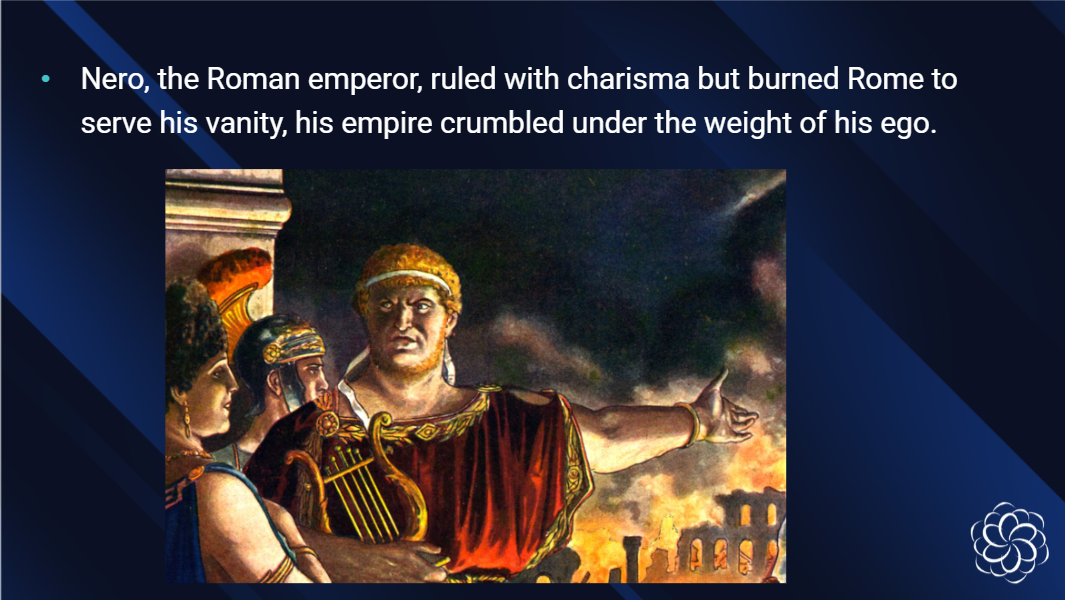
Nero ruled Rome with charisma but burned the city to protect his vanity. The empire collapsed under the weight of his ego.
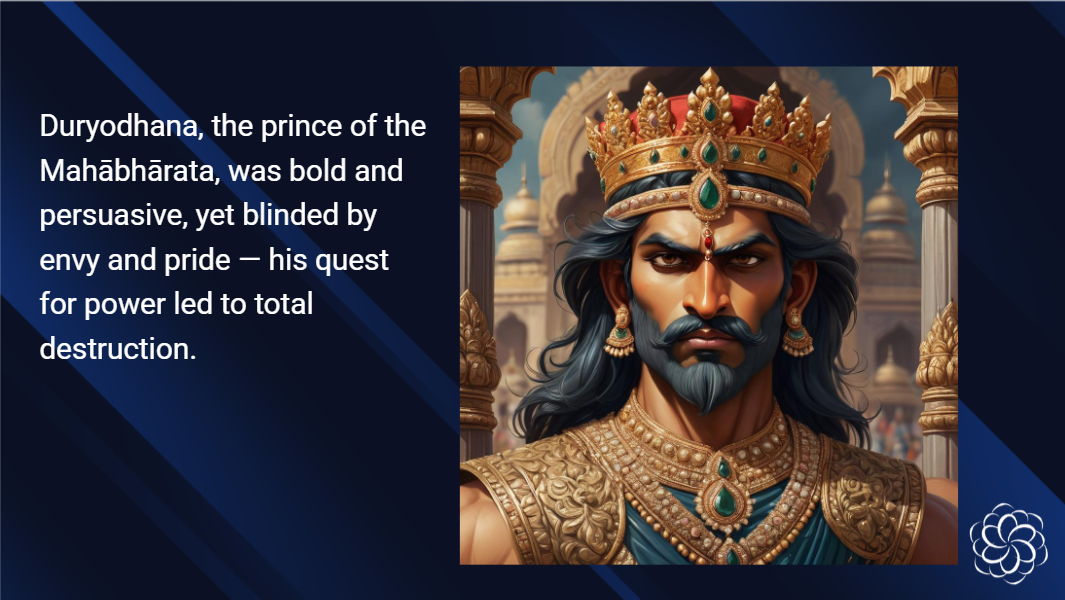
Duryodhana in the Mahabharata was bold and persuasive. But he used influence for pride, envy, and self-interest. The result was destruction for him and for everyone who supported him.
Both confused control with strength with influence.
Intimidation Is Not Influence
If your people agree with you but don’t trust you, you didn’t influence them. You intimidated them.
True influence works in service. It builds trust, not fear. It aligns people, not through pressure but through understanding. It doesn’t begin with ego. It begins with empathy.
What True Influence Really Is
Real influence awakens something inside people. It activates ownership, pride, purpose, and a sense of “I want to rise with you.”
This kind of leadership requires curiosity. You listen to understand people’s values, fears, inner scripts, motivations, and personality. You craft a message that meets them where they are. You move forward together rather than from above.
Great leaders don’t demand trust. They earn it. They take responsibility even in failure. They don’t manufacture loyalty. They inspire it.
Influence Through Inner Mastery
In Western leadership, we talk about emotional intelligence and executive presence. In Eastern wisdom, we speak about self-mastery, dharma, humility, and serving from a higher state of mind. Put these together, and you get a grounded leader who can move people without force.
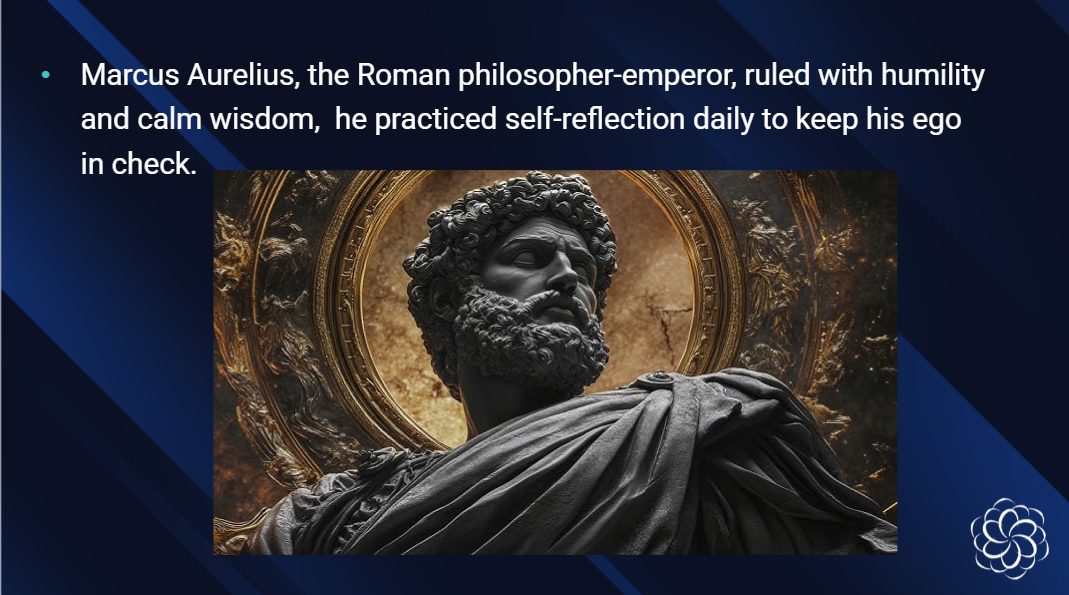
Marcus Aurelius ruled with calm wisdom and deep reflection. His discipline of checking his ego made his leadership timeless.
In the Bhagavad Gita, Krishna guided Arjuna not with pressure but by awakening clarity and purpose within him. He aligned Arjuna with his true nature and helped him rise from a higher consciousness.
True influence comes from understanding the person in front of you and mastering the person within you.
Short-Term Obedience vs Long-Term Trust
Narcissists often win in the short run. Their charisma is magnetic. Their confidence is intoxicating. But over time, they drain the room.
Self-aware leaders win in the long run. They bring steadiness, presence, and grounded energy. Teams don’t follow titles. They follow how you make them feel. They follow the person who keeps them safe, seen, and supported.
True influence is humble and strong at the same time. It moves people without crushing their spirit.
A Question Every Leader Should Ask
If you’re a leader, ask yourself: Am I inspiring people or just managing them?
It’s an honest question. And it invites growth.
Because the future of leadership belongs to those who can balance power with compassion, confidence with humility, and drive with empathy. Leaders who can influence with integrity and lead with heart.
If you want to deepen these skills and learn how to build trust and buy-in without politics or pressure, you can explore:
- Lead With Ease Circle for founders, CEOs, and senior leaders
- Heal Strong Program for anyone who has worked under a narcissistic boss
- My latest book: Influence To Win, where I share my three-step process for building real influence
Your influence is not manipulation. It’s part of your role and your purpose. When done right, it lifts people, unites teams, and transforms entire cultures.

Categories: : Leadership